

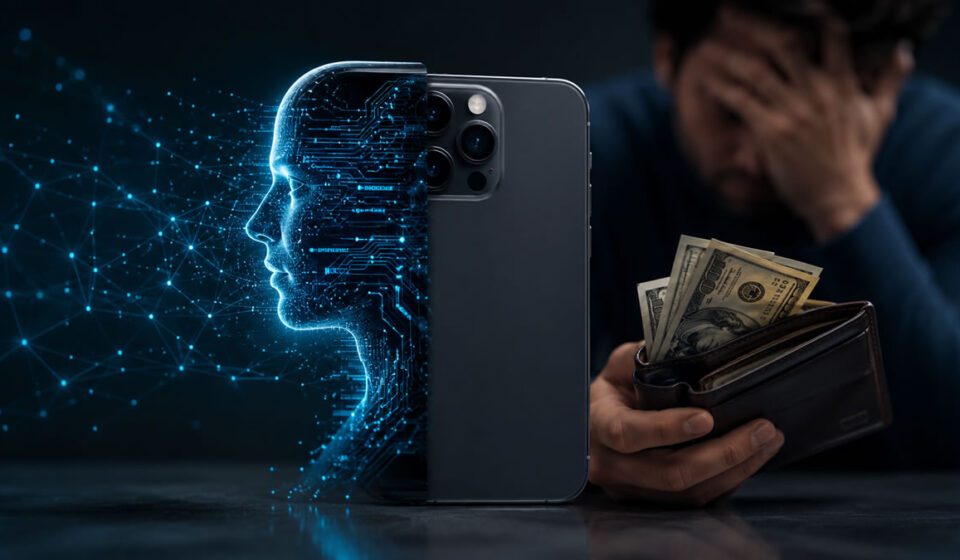
AI Smartphone Hype Is Costing You $1,000 for Features You Already Have
Walk into any phone store in America today. Every single flagship on the shelf claims to be an AI phone. Samsung calls it Galaxy AI. Apple calls it Apple Intelligence. Google calls it Gemini on Pixel. They all promise the same thing. Smarter photos. Smarter text. A digital assistant that finally understands you.
The AI smartphone hype has completely taken over the mobile industry. And it is driving millions of Americans toward $999 to $1,299 upgrades they may not need at all. This article cuts through the noise. We looked at what these features actually do, how much real value they add, and whether any of this justifies the price tag. The results are not what the marketing teams want you to see.
What the Phone Giants Are Promising You
The pitch from every major manufacturer sounds revolutionary. Apple says Apple Intelligence rewrites your messages, generates images, and gives Siri actual context awareness. Samsung promises Circle to Search, live translation, and AI photo editing that removes people from backgrounds.
Google offers Gemini as a built-in assistant that can help across every app on your phone. The unified message across all three is this. This new one thinks. That framing is deliberate. It creates urgency. It makes your perfectly good two-year-old device feel obsolete overnight. Here is the part they leave out of the commercials.
The AI Smartphone Hype Reality Check
Most of These Features Already Existed
Photo background removal has been available on smartphones since at least 2020. Google Photos has offered AI photo cleanup tools for years. Voice transcription apps have handled live translation since before any of these brands coined the term AI phone. What changed is the branding. The features got a new name and a new marketing budget.
Samsung’s Circle to Search is genuinely convenient. You circle something on your screen and search it instantly. That is a real quality of life improvement. But it does not justify a $300 upgrade from a phone that already works perfectly. Apple’s Writing Tools are useful for quick text rewrites. But Microsoft Word, Grammarly, and dozens of free apps have offered similar functionality for years.
The On-Device AI Argument Is Mostly Spin
Phone makers argue that running AI directly on the device is a big breakthrough. No cloud needed, they say. Faster and more private. That sounds impressive. The reality is more complicated.
Most heavy AI processing still routes through cloud servers. Apple sends some Siri requests to what they call Private Cloud Compute. Samsung sends data to Google servers for certain Galaxy AI features. The on-device story is real for some lightweight tasks, but the marketing overstates how much actually stays local. We will come back to the privacy implications of that shortly.
The Chip Upgrade Cycle Is Real But Overhyped
Phone chips are genuinely getting faster. The Apple A18 Pro and Qualcomm Snapdragon 8 Elite are legitimately powerful processors. But here is the truth. The average user does not push their phone anywhere near its processing limits. Faster chips matter for developers building AI apps. They matter far less for someone who texts, scrolls social media, and takes photos. The chip upgrade is real hardware progress. The marketing wraps it in AI language to make chip specs sound life-changing.
AI Smartphone Hype Feature Comparison: What You Actually Get
| Feature | What Brands Claim | What It Actually Does | Previously Available? |
| AI Photo Editing | Remove objects, relight scenes | Works on simple backgrounds; struggles with complexity | Partially, via apps like Snapseed |
| Live Translation | Real-time call translation | Works well for common languages; struggles with accents | Google Translate has done this since 2020 |
| Writing Assistance | Rewrites and summarizes text | Useful but basic; mirrors free app features | Grammarly, ChatGPT apps for years |
| Circle to Search | Search anything on screen | Genuinely convenient shortcut | Google Lens existed before this |
| AI Summaries | Summarizes notifications and emails | Saves some time; sometimes misses context | Basic versions in email apps for years |
| On-Device Processing | Private local AI | Partial; heavy tasks still use cloud servers | Marketed as new; partially true |
Real World Testing: Where AI Phones Win and Where They Fall Flat
Where AI Features Genuinely Help
Some features are legitimately useful. Let us be fair about that. Real-time transcription in Google’s Pixel phones works very well. For journalists, students, and anyone in meetings all day, live transcription is a genuine productivity gain.
Apple’s image cleanup tool inside the Photos app handles simple edits quickly without needing a third-party app. That saves time and friction for everyday users. Samsung’s live translation during phone calls is impressive when it works. For families with members who speak different languages, that feature adds real value.
Where the Hype Completely Falls Apart
AI photo generation on smartphones is consistently poor for anything beyond simple use cases. Generated images look artificial and are rarely usable for anything serious. AI summaries frequently miss tone, context, and nuance. Summarizing a heated work email as “your colleague has a concern” does not help you respond well.
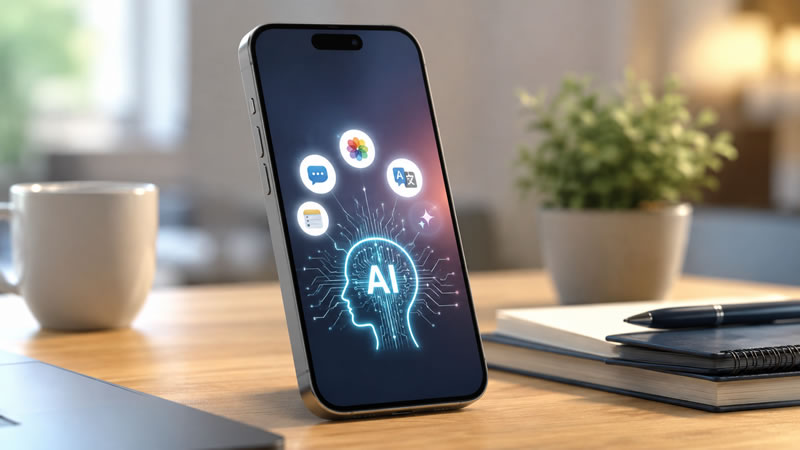
Siri with Apple Intelligence is still frustrating for complex requests. The gap between the demo video and daily life remains wide. Battery drain from constant AI processing is a real and largely undiscussed cost. Running AI features in the background reduces battery life. Manufacturers are quiet about this.
Privacy and Ethics: The Hidden Cost of AI Smartphones
This section matters more than most tech reviews acknowledge.
Your Phone Is Learning About You Constantly
AI features require data. The more your phone learns your habits, tone, writing style, and preferences, the more useful it becomes. That is the design. But it also means your device is building a detailed profile of you every single day.
- Apple claims strong on-device privacy. Their privacy documentation is more transparent than most. However, their Private Cloud Compute system does send some data off your device for processing, even if Apple says it is not linked to your Apple ID.
- Samsung routes several Galaxy AI features through Google’s servers. That means Google’s data policies apply, not just Samsung’s. Many users do not know this.
- Google is the most upfront about data collection because their entire business model is built on it. Using Gemini on Pixel means using a Google service. That comes with all of Google’s data practices attached.
The Advertising System Underneath the AI
These AI features are not free gifts from generous technology companies. They serve a purpose. More data about your behavior makes targeted advertising more accurate. Smarter phones mean smarter ad targeting. This is not a conspiracy. It is a business model. Understanding it helps you make better decisions about what features to use and what to keep private.
What You Can Actually Do
Turn off AI features you do not use regularly. On iPhone, go to Settings and limit Apple Intelligence permissions. The Android, review Google account activity controls. On Samsung, check Galaxy AI settings and review which features route data off your device. The Electronic Frontier Foundation publishes free guides on reducing smartphone data exposure. Worth reading before your next upgrade.
Pros and Cons: The Honest Breakdown
Real Strengths
- Live transcription on Pixel phones is genuinely excellent
- Real-time translation adds meaningful value for multilingual users
- Faster chips improve app performance in tangible ways
- Photo cleanup tools save time for casual everyday editing
- Some on-device processing does improve for lightweight tasks
- Writing assistance is useful for quick text rewrites on the go
Real Weaknesses
- Most AI features existed before the AI phone branding arrived
- Heavy processing still routes to cloud servers despite local AI claims
- AI-generated images are consistently mediocre on current hardware
- AI summaries regularly miss tone, nuance, and context
- Battery drain from background AI processing is underdiscussed
- Many features duplicate free apps available on older phones
Hidden Tradeoffs
- Upgrading to access AI features funds data collection at a larger scale
- On-device privacy claims are partially true at best
- Older phones receive AI software updates, reducing the upgrade argument
- Annual upgrade costs compound dramatically over a five-year period
Value Analysis
If your current phone is less than three years old, AI phone features do not justify an upgrade in most cases. The marketing is more sophisticated than the actual technology gap.
Price Reality: What You Are Actually Paying For
| Phone | Price | Key AI Feature | Same Feature Free? |
| iPhone 16 Pro | $999 | Apple Intelligence writing tools | Available via ChatGPT app on older phones |
| Samsung Galaxy S25 Ultra | $1,299 | Galaxy AI photo editing | Google Photos AI editing on older Androids |
| Google Pixel 9 Pro | $999 | Gemini assistant, live transcription | Gemini app works on older Android phones |
| OnePlus 13 | $899 | AI image enhancement | Similar results via free editing apps |
Verdict: Buy or Bye?
Buy — With Specific Conditions
If your phone is more than four years old and showing genuine performance issues, an upgrade makes sense. The newer hardware is faster, and the chips are more efficient. If live transcription or real-time translation fits your daily life, the Pixel 9 series offers the best execution of these features at a relatively competitive price point.
Bye — For Most Americans Right Now
If your current phone runs smoothly and is under three years old, the AI smartphone hype does not hold up as a reason to spend $1,000 or more. The feature gap between your current phone and a new AI phone is smaller than the marketing suggests. Most AI features are available as apps on existing devices.
The genuine innovations are useful but incremental, not transformational. Wait for the second or third generation of these features. The hardware and software will both be meaningfully better. And the price will be lower.
Final Thought
The AI smartphone hype is one of the most effective marketing campaigns the mobile industry has ever run. It takes incremental software improvements, wraps them in the word AI, and uses that word to justify a four-figure price tag. The features are real. The revolution is not. Some AI phone features genuinely improve daily life. Live transcription, real-time translation, and faster processing are meaningful gains.
But none of them require you to abandon a working phone today. The smartest move any American consumer can make right now is simple. Ignore the AI smartphone hype cycle, keep your current phone one more year, and spend that $1,000 on something that actually changes your life. The marketing is just that good.